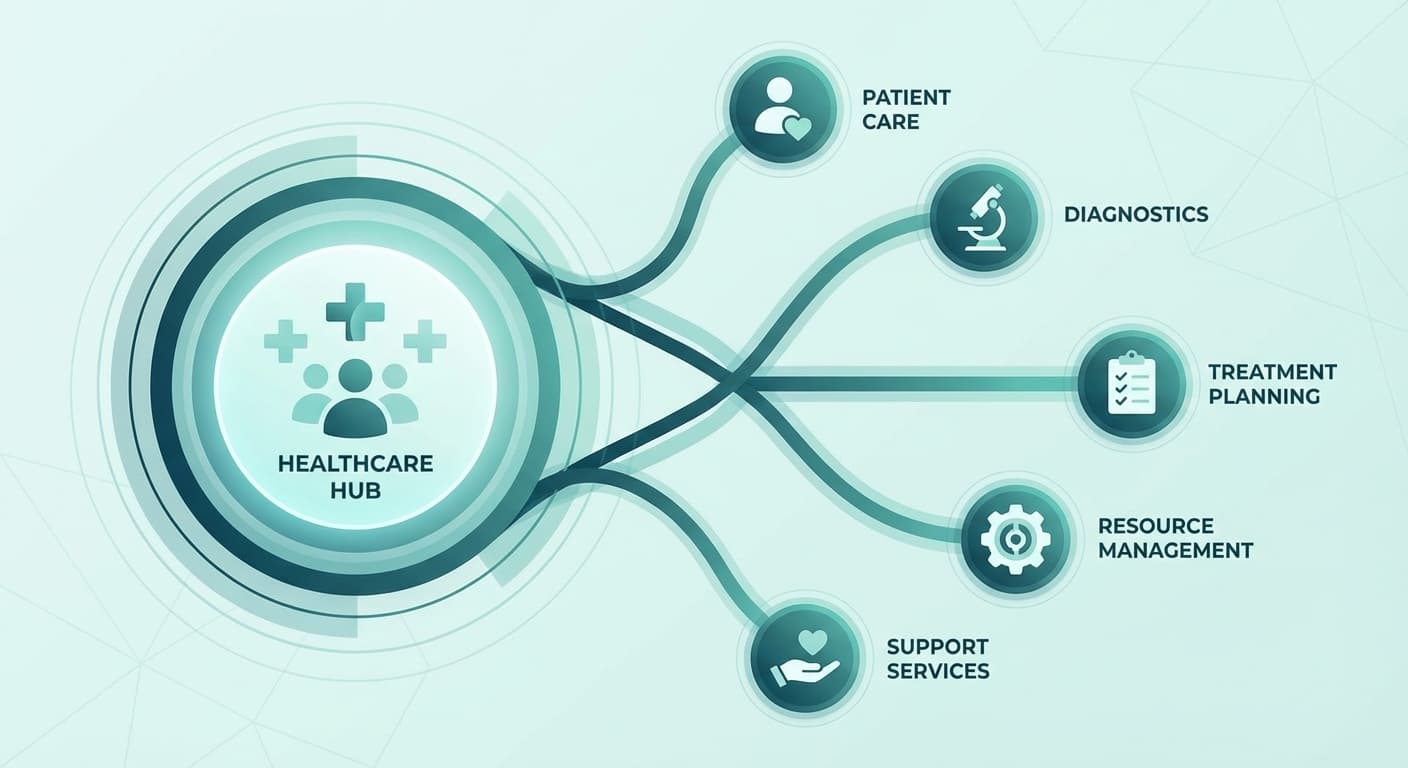
Effective care coordination can mean the difference between smooth recovery and preventable complications. After years in case management, I've identified five strategies that consistently improve outcomes across patient populations.
These aren't theoretical concepts—they're practical approaches you can implement immediately.
1. Start Planning on Day One (Not Day Before Discharge)
The most common care coordination failure? Waiting too long to start.
Why Early Planning Matters
Discharge planning that begins at admission gives you time to:
- Identify barriers before they become crises
- Arrange resources that have waiting lists
- Involve family members who aren't available last-minute
- Address insurance authorization requirements
- Prepare patients psychologically for the transition
My Admission Assessment Checklist
Within 24 hours of every admission, I assess:
Living Situation
- Where will the patient go after discharge?
- Is that environment suitable for their recovery needs?
- Are there stairs, accessibility issues, or safety concerns?
Support System
- Who will help with daily activities, medications, and appointments?
- Is that person willing and able to provide the needed level of support?
- What's the backup plan if primary support falls through?
Transportation
- How will the patient get to follow-up appointments?
- Do they have reliable transportation for emergencies?
- Are there financial barriers to transportation?
Financial Barriers
- Can they afford their medications?
- Is there adequate food at home?
- Are utility bills current (especially important for equipment needs)?
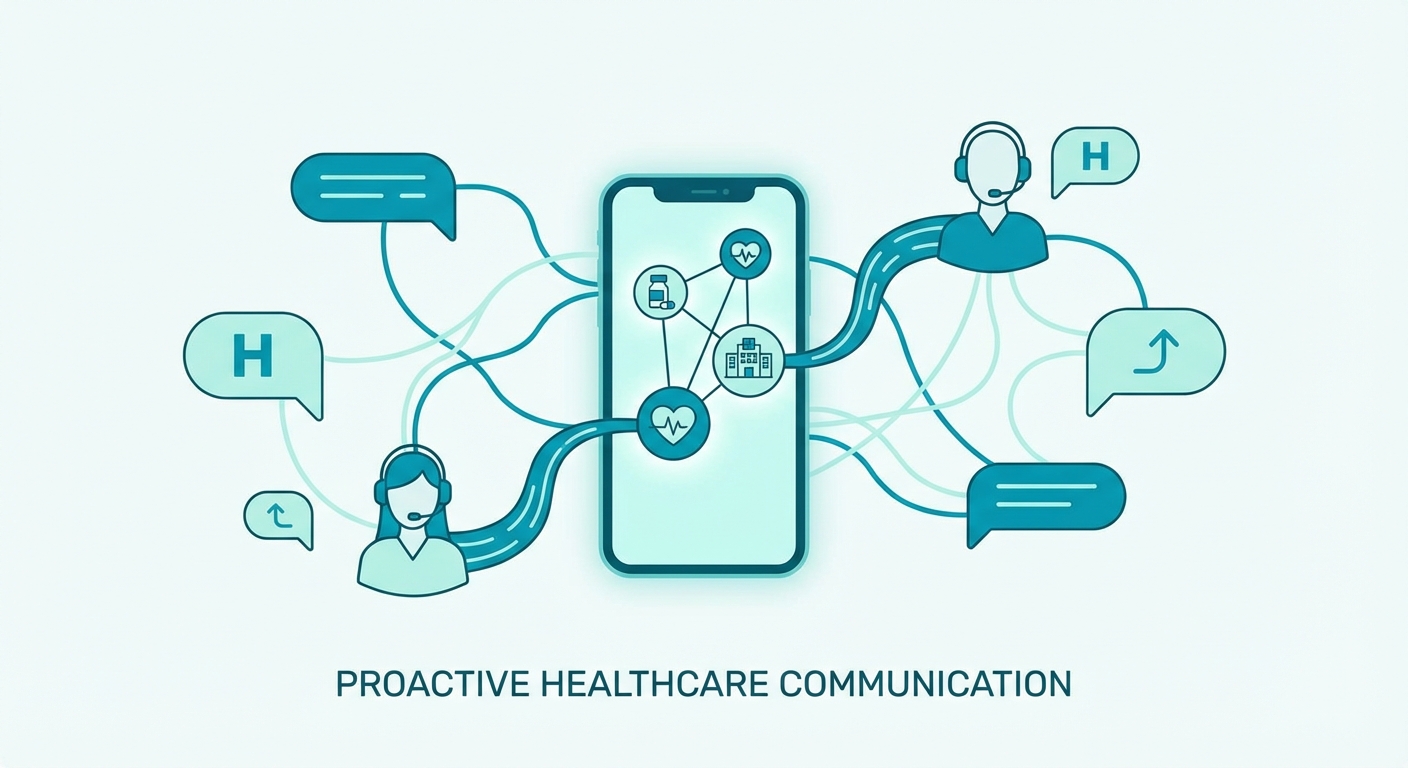
2. Communicate Proactively (Don't Assume Information Flows)
Information doesn't automatically reach the right people at the right time. Making it happen is our job.
The Communication Gaps I've Learned to Close
Referring Provider → Receiving Provider The specialist often doesn't have the full picture. I send comprehensive referral notes and follow up to confirm receipt.
Hospital → Primary Care PCPs are frequently blindsided by patient hospitalizations. A phone call or secure message at discharge maintains continuity.
Discharge → Home Health Home health nurses arrive better prepared when they receive detailed clinical summaries before the first visit—not after.
Patient → Family Family members not present during patient education need their own orientation. I schedule separate conversations when needed.
My Five-Minute Phone Call Rule
A five-minute phone call can prevent a week of complications. I call to:
- Confirm referrals were received
- Verify appointments are scheduled
- Ensure equipment orders are processing
- Alert receiving providers to specific concerns
It feels like extra work in the moment. It saves enormous work (and patient suffering) downstream.
3. Know Your Resources (Build a Living Database)
The case manager's superpower is knowing what's available and how to access it quickly.
Resources Every Case Manager Should Map
Home Health Agencies
- Which agencies serve your area?
- What are their specialties and limitations?
- What's their typical response time?
- How do they handle weekend and holiday admissions?
DME Suppliers
- Who delivers same-day or next-day?
- Which suppliers work with specific insurance types?
- What's the process for emergent equipment needs?
Transportation Services
- Medical transport options beyond ambulance
- Volunteer driver programs
- Insurance-covered transportation benefits
- Wheelchair-accessible options
Financial Assistance
- Medication assistance programs (manufacturer and nonprofit)
- Utility assistance resources
- Food bank and meal delivery services
- Prescription discount programs
Specialty Resources
- Disease-specific support organizations
- Caregiver respite programs
- Mental health crisis services
- Palliative and hospice care
Keep It Updated
Resources change constantly. I dedicate time monthly to verify phone numbers, update contact persons, and add new resources I've discovered.
4. Engage Patients and Families as Partners
Patients aren't passive recipients of care coordination—they're active partners whose engagement determines success.
Moving Beyond Compliance to Partnership
The difference between compliance and engagement:
- Compliance: "Take this medication because the doctor prescribed it."
- Engagement: "Let me explain why this medication matters for your specific condition and what you might notice as it starts working."
Engaged patients ask questions, report concerns early, and take ownership of their recovery. Compliant patients follow orders until they don't—usually without telling anyone.

The Teach-Back Method (Done Right)
Teach-back is the gold standard for confirming understanding, but it requires the right approach:
Don't Say: "Do you understand?" (They'll say yes whether they do or not.)
Do Say: "I want to make sure I explained this clearly. Can you walk me through how you'll take your medications when you get home?"
Key Principles:
- Frame it as checking your explanation, not testing their understanding
- Ask for demonstration, not just verbal confirmation
- Involve family members in the teach-back process
- Document specific understanding gaps and how you addressed them
Addressing the Unspoken Concerns
Patients often have worries they don't voice:
- "Can I really afford these medications?"
- "My spouse can't actually help as much as I said."
- "I don't understand these instructions but I'm embarrassed to say so."
- "I'm scared to go home."
Creating space for these conversations—through direct questions, empathetic listening, and non-judgmental responses—uncovers barriers that otherwise derail recovery.
5. Document Everything (For Continuity, Not Just Compliance)
Documentation in case management serves multiple purposes—and the most important one isn't legal protection.
Documentation as Communication
Your notes tell the patient's story to everyone who follows:
- The home health nurse meeting the patient for the first time
- The PCP seeing them at follow-up
- The next case manager if the patient returns
- The quality team analyzing what works
Write for these readers, not just for auditors.
What to Document
Every Significant Communication
- Conversations with patients and families
- Provider consultations and recommendations
- Payer interactions and authorizations
- Referrals sent and confirmed
Barriers Identified
- What obstacles did you identify?
- What interventions did you attempt?
- What was the outcome?
Patient and Family Understanding
- What education did you provide?
- How did you verify understanding?
- What concerns remain?
The Plan
- What's happening next?
- Who's responsible for what?
- What are the expected timeframes?
The Time Investment Pays Off
Thorough documentation takes time. But that time investment:
- Prevents duplicated effort
- Supports continuity across care settings
- Protects patients when issues arise
- Enables meaningful quality analysis
Bringing It All Together
These five strategies interconnect:
- Early planning gives you time to apply the other strategies effectively
- Proactive communication ensures your resource connections actually reach patients
- Resource knowledge enables the solutions your patients need
- Patient engagement determines whether coordinated plans actually happen
- Documentation ensures continuity when you're not there
Care coordination at its best is invisible to patients—they simply experience care that flows smoothly, with providers who seem to communicate effortlessly and resources that appear when needed. Creating that experience requires intentional, systematic work behind the scenes.
That's what we do. And when it works, patients recover at home, surrounded by family, with confidence that someone has their back.
That's the goal we're all working toward.
Have care coordination strategies that work for you? I'd love to hear them—get in touch.