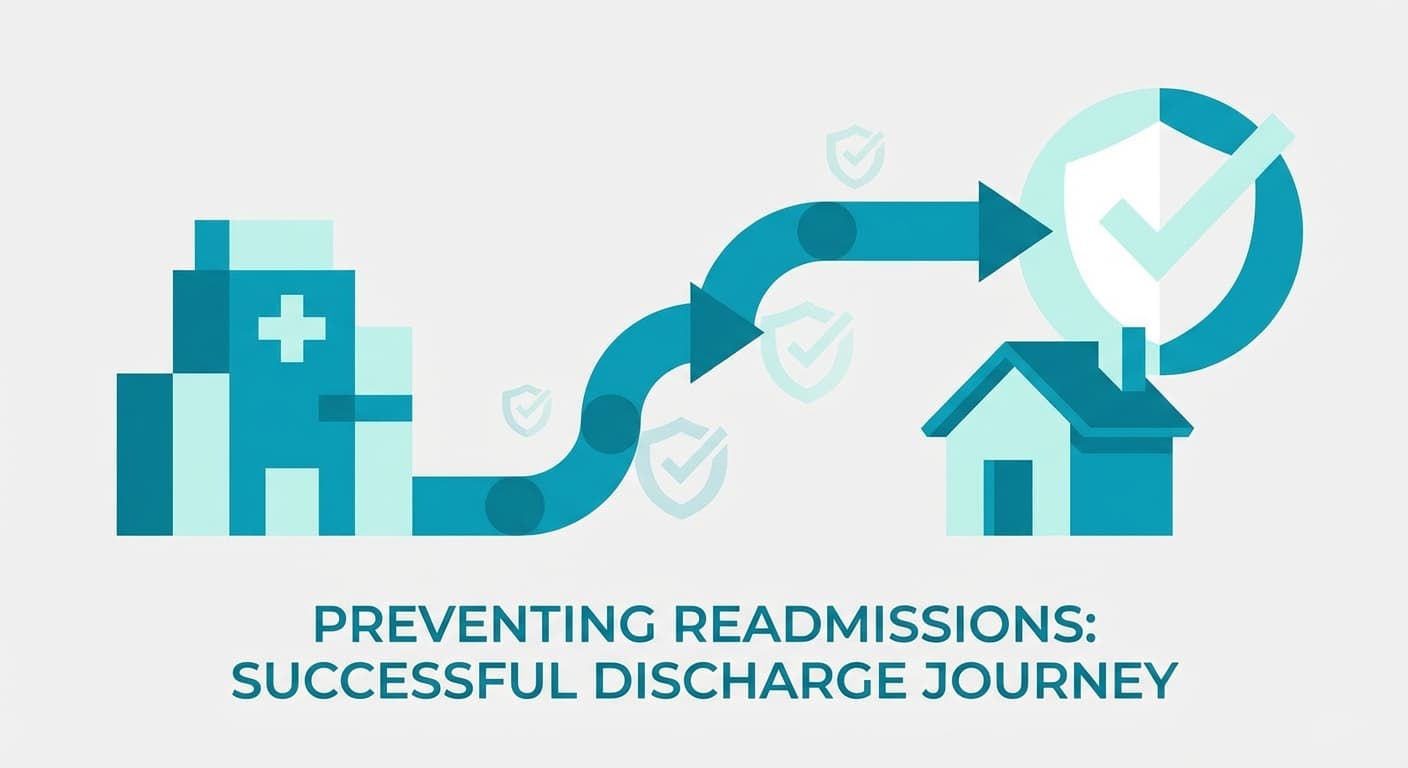
Hospital readmissions represent one of healthcare's most persistent challenges—and most significant opportunities for improvement. As a case manager, I've seen firsthand how targeted interventions can keep patients healthy at home and out of the hospital.
In this comprehensive guide, I'll share the evidence-based strategies that have proven most effective in my practice, along with practical tips you can implement immediately.
Understanding the Readmission Crisis
The statistics are sobering: nearly one in five Medicare patients returns to the hospital within 30 days of discharge. Each preventable readmission costs an average of $15,000 and, more importantly, represents a patient whose recovery was derailed.
But here's what the data doesn't capture—the exhausted family members, the disrupted lives, and the erosion of trust in the healthcare system. As case managers, we're uniquely positioned to address both the clinical and human dimensions of this problem.
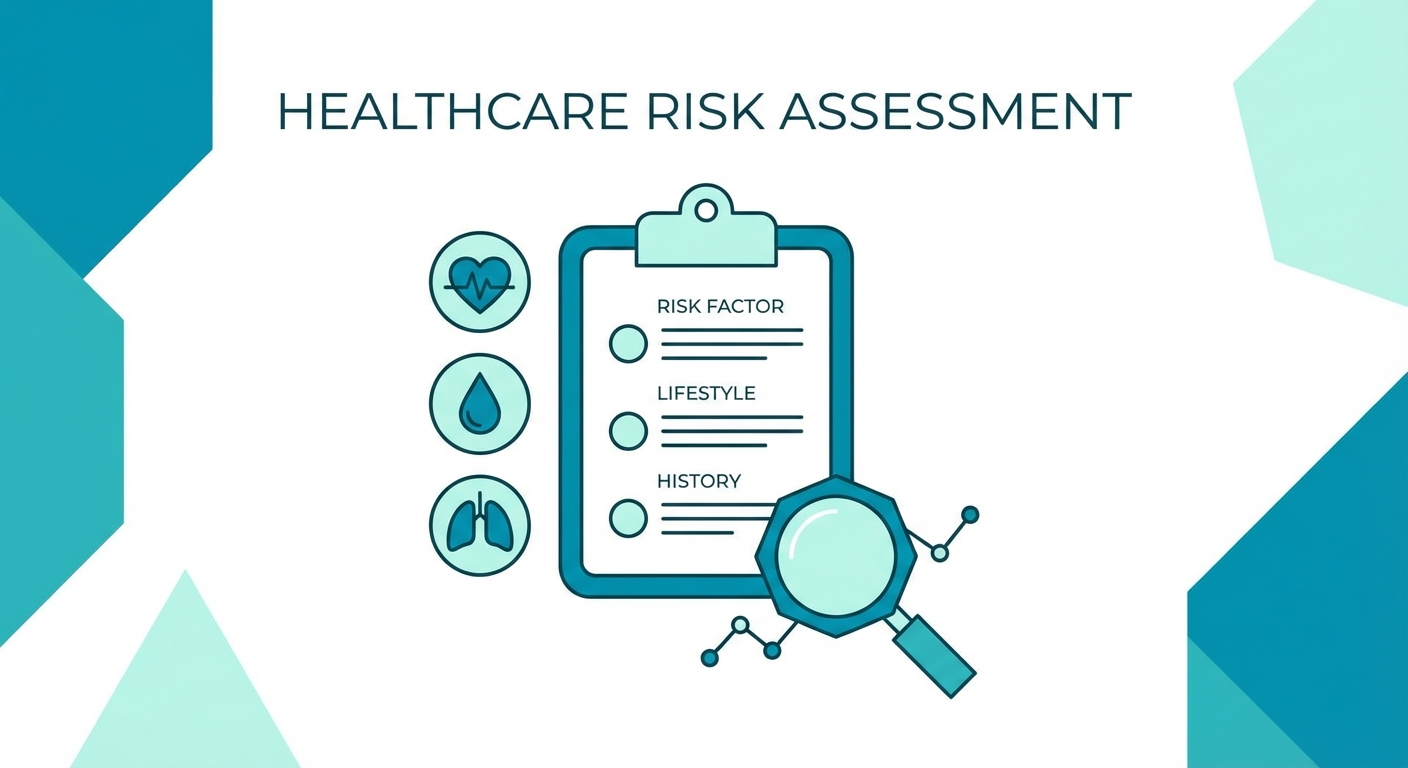
Identifying High-Risk Patients: The LACE Index and Beyond
Effective readmission prevention starts with identifying who's most at risk. While tools like the LACE Index (Length of stay, Acuity, Comorbidities, Emergency department visits) provide a solid foundation, I've learned to look deeper.
Clinical Red Flags I Watch For
- Heart failure, COPD, or diabetes with recent exacerbation
- Polypharmacy—patients on 5+ medications face exponentially higher risks
- Cognitive impairment that may affect medication adherence
- Recent functional decline or new mobility limitations
- History of readmissions—past behavior predicts future outcomes
Social Determinants That Matter Most
The clinical picture tells only half the story. Some of my highest-risk patients have stable vitals but face:
- Limited health literacy—they leave confused about their care plan
- Transportation barriers—they miss crucial follow-up appointments
- Food insecurity—they can't follow dietary restrictions
- Social isolation—no one notices when something's wrong
- Housing instability—recovery is nearly impossible without stable shelter
The Medication Reconciliation Revolution
Medication errors cause an estimated 125,000 deaths annually in the United States. In my experience, medication reconciliation is the single highest-impact intervention for preventing readmissions.
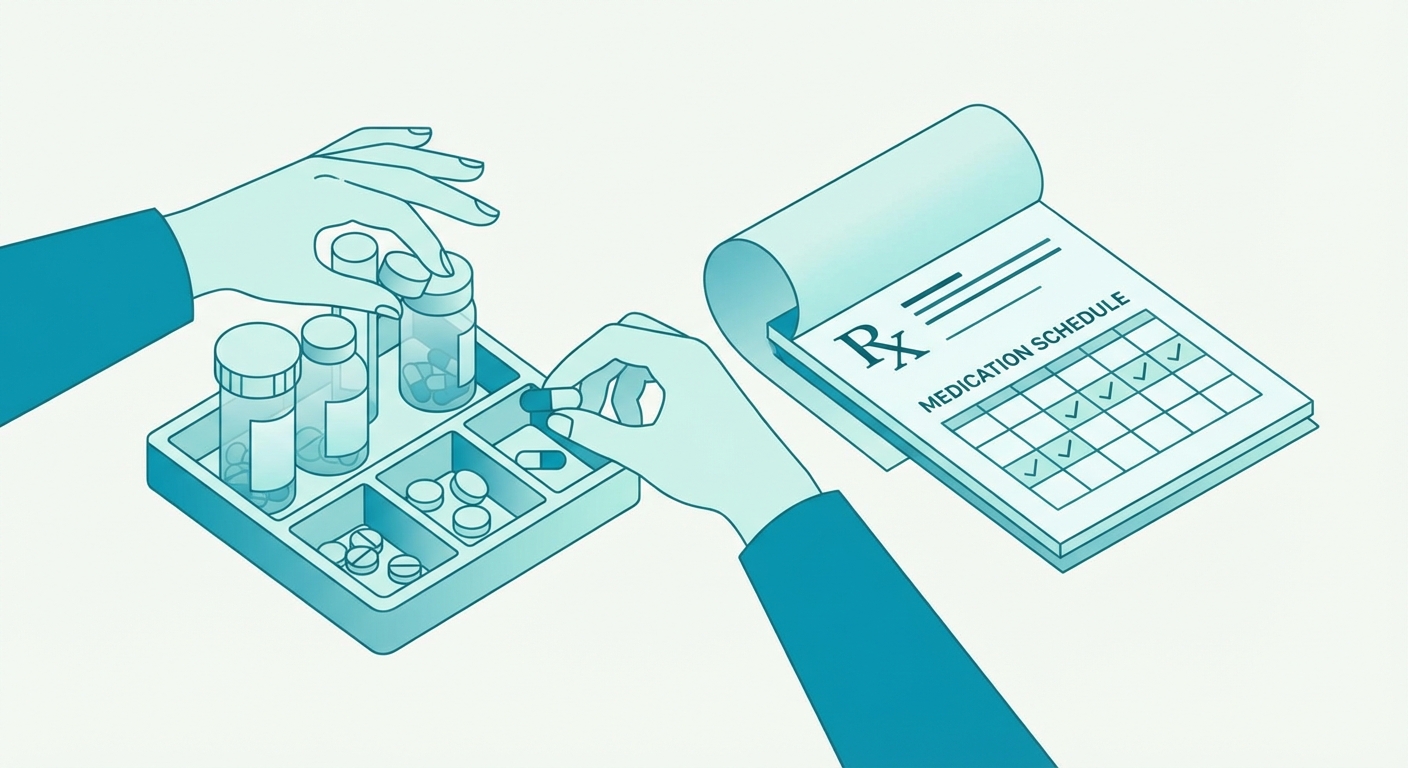
Beyond the Checkbox: What True Reconciliation Looks Like
Effective medication reconciliation isn't a form to complete—it's a conversation to have. Here's my approach:
1. Start Fresh Every Time I ask patients to bring all medications—including OTCs, supplements, and that cream from three years ago they still use. You'd be amazed what people consider "not worth mentioning."
2. Use the Teach-Back Method Instead of asking "Do you understand?", I say: "I want to make sure I explained this clearly. Can you tell me how you'll take this medication at home?" The difference in comprehension is dramatic.
3. Simplify When Possible Work with providers to consolidate medications, switch to once-daily formulations, or eliminate drugs that aren't essential. Every pill removed is one less opportunity for error.
4. Create Visual Aids Medication schedules with pictures, color-coded pill organizers, and smartphone reminders work better than written instructions alone.
The 48-Hour Window: Critical Post-Discharge Interventions
The first 48 hours after discharge represent the highest-risk period for complications. This is when our work matters most.
My Post-Discharge Protocol
Day 1: The Welcome Home Call Within 24 hours of discharge, I call every high-risk patient to:
- Confirm they filled their prescriptions
- Review warning signs requiring immediate attention
- Verify they have their follow-up appointment details
- Address any questions or concerns that arose since leaving
Day 2-3: Home Health Activation For patients with skilled needs, I ensure home health visits begin within 48 hours. I also confirm the home health nurse received the complete discharge summary—a step that's often overlooked.
Week 1: The Follow-Up Appointment Studies show that follow-up within 7 days reduces readmissions by up to 30%. I don't just schedule the appointment—I:
- Confirm transportation is arranged
- Ensure the patient understands why this visit matters
- Verify the receiving provider has the discharge summary
Building Systems That Scale
Individual heroics aren't sustainable. The most successful readmission prevention programs build systematic approaches that don't depend on any single person.
Elements of Effective Programs
- Real-time risk stratification identifying high-risk patients at admission
- Multidisciplinary rounds with pharmacy, social work, and care management
- Standardized transition protocols with clear accountability
- Post-discharge follow-up built into the workflow, not added on
- Data feedback loops showing teams their outcomes
The Human Element: What Patients Really Need
After years in case management, I've learned that preventing readmissions often comes down to addressing fundamental human needs:
They need to feel heard. Many readmissions stem from concerns that weren't addressed—or weren't voiced—before discharge.
They need to understand their role. Patients who see themselves as active participants in their recovery do better than passive recipients of care.
They need a safety net. Knowing who to call when something seems wrong—and trusting they'll get help—prevents unnecessary ED visits.
They need hope. Patients who believe they can recover at home usually do. Our confidence in them matters.
Measuring What Matters
Track these metrics to evaluate your readmission prevention efforts:
- 30-day all-cause readmission rate (your north star metric)
- 72-hour readmission rate (indicates discharge process issues)
- ED visit rate (captures near-misses)
- Follow-up appointment completion rate (leading indicator)
- Medication reconciliation completion rate (process measure)
The Bottom Line
Every prevented readmission represents a patient who recovered successfully, surrounded by family, sleeping in their own bed. That's the outcome we're all working toward.
The strategies in this guide aren't revolutionary—they're foundational. The revolution comes from implementing them consistently, systematically, and with genuine compassion for the patients we serve.
When a high-risk patient calls to tell me they're feeling great at home, I'm reminded why this work matters. Those moments make the complex, often frustrating work of case management deeply rewarding.
Want to discuss readmission prevention strategies? I'd love to connect—get in touch.